Slovenia vs. Croatia: Which Destination is Right for You?
The Tale of Two Neighbors
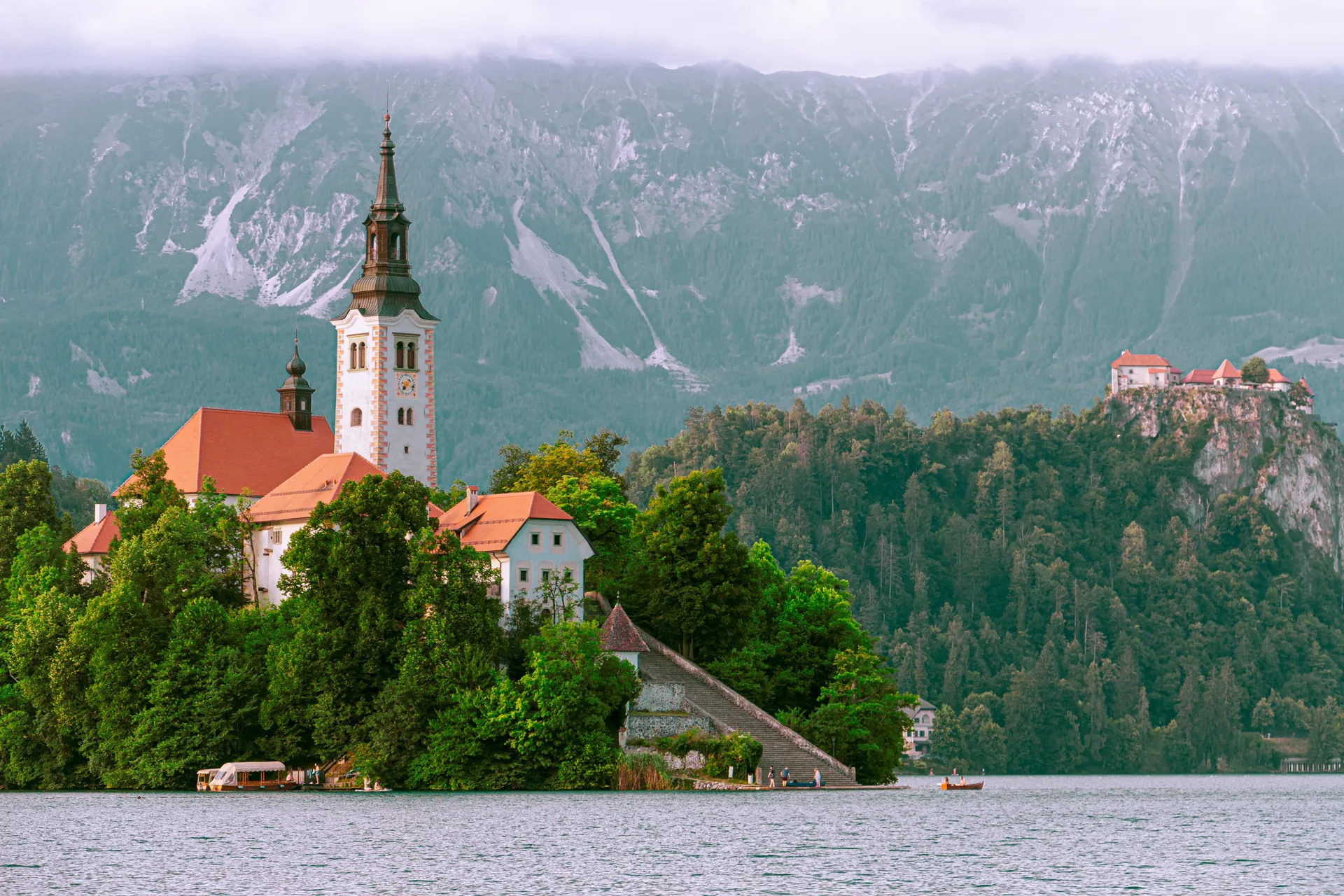
Travelers frequently ask whether Slovenia or Croatia is a nicer destination. The answer depends entirely on your tolerance for crowds and your preference for climate. Slovenia is an Alpine ecosystem dominated by thick forests and jagged limestone peaks. Croatia is a Mediterranean powerhouse defined by its sprawling coastline and thousands of islands. Both countries share a border. They offer radically different travel experiences.
Safety is a common concern for first-time visitors to the Balkans. It is safe to go to Slovenia right now. The country consistently ranks in the top tier of the Global Peace Index. The Slovenian Tourist Board emphasizes a national strategy of low-impact, sustainable travel. The Croatian National Tourist Board focuses heavily on summer coastal tourism, historic ports, and maritime culture.
Quick Comparison
| Feature | Slovenia | Croatia |
|---|---|---|
| Primary Landscape | Alpine and Forest | Coastal and Island |
| Vibe | Intimate and Quiet | High-volume Resort |
| Best Activity | Hiking | Sailing |
| Accessibility | Compact | Sprawling |
| Peak Season | Year-round | Summer-centric |
The Core Vibe: Green Peaks vs. Azure Seas
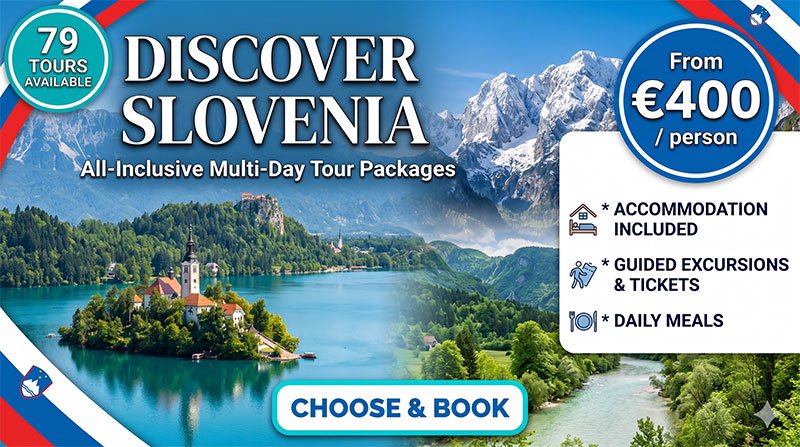
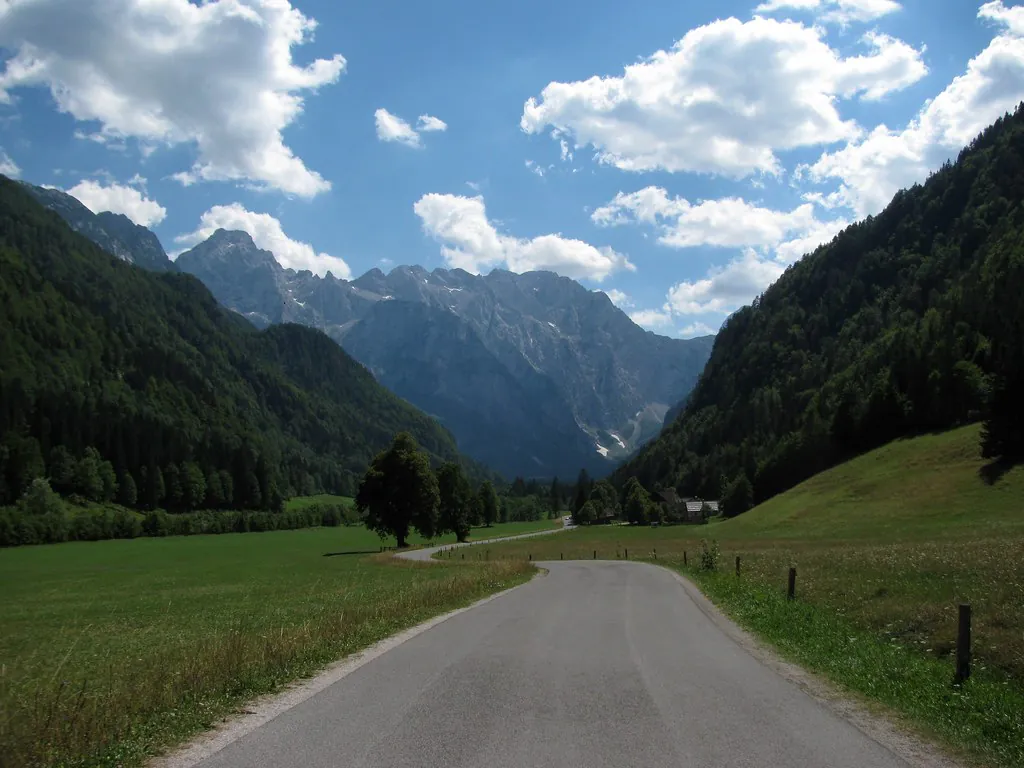
Slovenia is a green country. Almost sixty percent of its landmass is covered in forest. The air is cooler, the infrastructure is heavily integrated into the natural environment, and the focus is on outdoor exertion. Croatia is a blue destination. The Adriatic Sea dictates the rhythm of travel there. Summer temperatures are high. Visitors spend long days on ferries moving between islands.
When you look at teh map, the geographical differences are obvious. Slovenia is compact. You can drive from the Julian Alps to the short Slovenian coastline in under two hours. Croatia is elongated. Moving from the northern Istrian peninsula down to Dubrovnik requires a multi-day commitment or a domestic flight.
The Intimacy Factor
Slovenia has a distinct advantage regarding crowd management. High-volume tourism dominates the Croatian coast during July and August. Getting a table at a restaurant in Split or navigating the walls of Dubrovnik requires extensive planning. Slovenia operates on a smaller scale. Boutique farm stays and family-run mountain lodges are the norm. English is widely spoken in both countries. Communication is rarely an issue.
The Logar Valley Advantage
Many travelers wonder if the Logar Valley is worth visiting when planning a trip to the region. It is a highly protected landscape park. The Logar Valley Tourism Board maintains strict environmental quotas. Motor vehicles pay a small entry fee to access the valley floor. This limits daily traffic. You get a secluded experience that is increasingly rare in Southern Europe.
Outdoor Adventure: Hiking vs. Sailing
Croatia is the premier destination for sailing. Chartering a boat to navigate the Dalmatian islands is a core travel experience there. Slovenia is the destination for hikers. The Kamnik-Savinja Alps present steep ascents and quiet valleys.
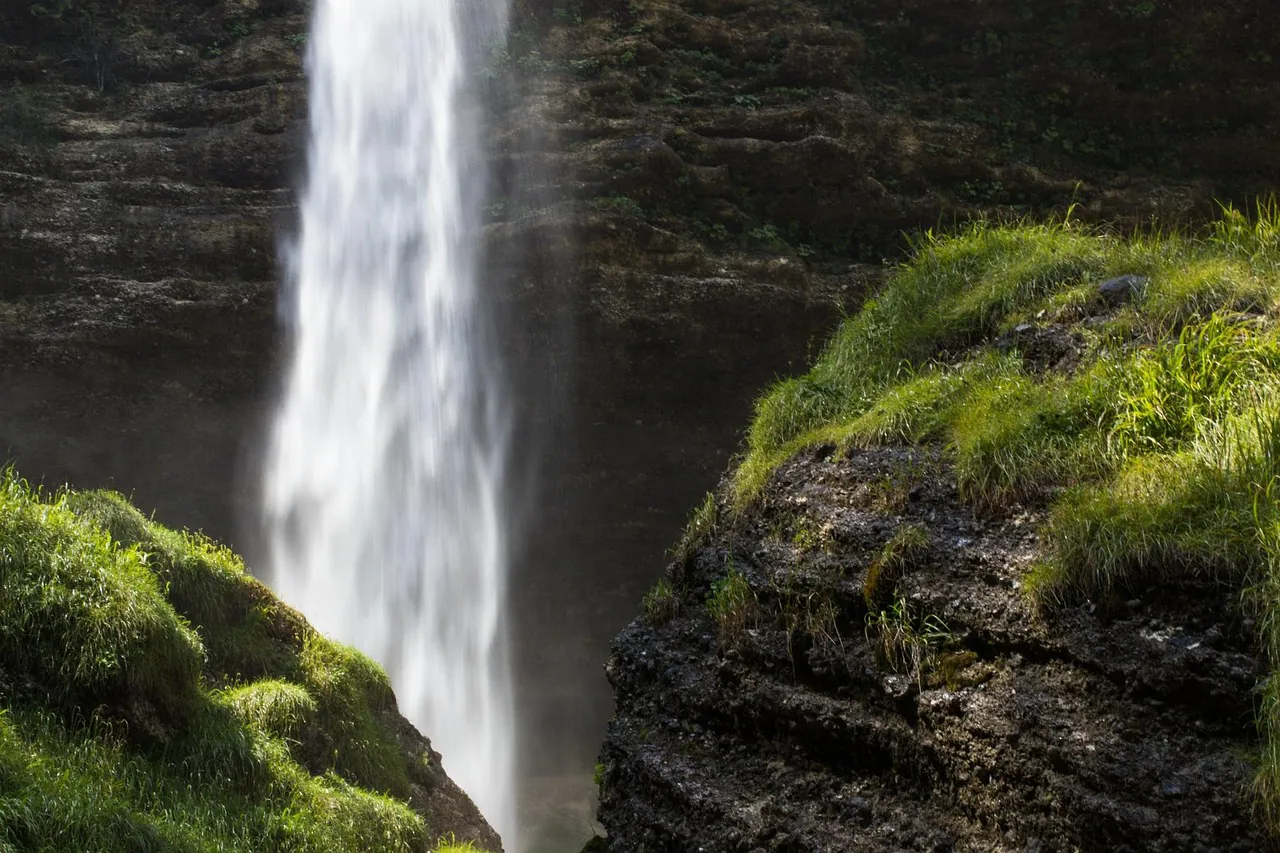
There are several waterfalls in Logarska Dolina. The Rinka Waterfall is the most famous. It drops 90 meters over a sheer rock face and is accessible via a well-maintained trail. You can read more about the specific routes on our Hiking and Outdoor Activities page.
Budget Considerations
Is Slovenia very expensive? It is a common question for budget-conscious travelers. Slovenia is generally more affordable than Western Europe. It is also cheaper than the premium coastal zones of Croatia during peak summer. You will pay Western European prices for high-end wellness hotels in Slovenia. Local meals, entrance fees, and regional transport remain highly accessible. Our Travel Costs guide breaks down daily expenses in detail.
Best Time to Visit
Croatia essentially shuts down its island tourism infrastructure during the winter. Ferries run on skeletal schedules. Coastal restaurants close entirely. Slovenia is a year-round destination. Winter brings cross-country skiing to the glacial valleys. Summer offers prime hiking conditions.
October and November are the rainiest months in Slovenia. The mountain passes become slick, and visibility drops. If you plan to visit during the shoulder season, pack heavy waterproof gear. A common planning question is how long to stay in Logar Valley. Two to three days is the optimal duration. This allows enough time to hike to the Rinka Waterfall, drive the Solčava Panoramic Road, and rest at a local farm stay. For detailed seasonal advice, consult our Plan Your Visit resource.
Logistics and Driving
You can drive in Logar Valley. The main road is paved and leads directly to the primary trailheads. Driving in Slovenia requires an e-vignette. You must pay for tolls before entering the motorway network. The official DARS portal is where you purchase this digital pass. A standard 7-day vignette costs €16. Driving in Slovenia without a vignette results in immediate and steep fines. The DARS network is a system you must pay attention to.
If you prefer not to drive, booking a guided excursion is a highly efficient alternative. The Logar Valley Tour and Solčava Panoramic Road from Ljubljana handles all transportation and navigation. This is a practical option for travelers with limited time in the capital. You can explore more transit options on our How to Get to Logar Valley page.
Sustainability and Social Climate
Slovenia is a global leader in sustainable tourism. Waste management protocols in protected areas are strict. The emphasis is on preserving the ecosystem rather than expanding hotel capacity. Our Visitor Rules and Guidelines outline the expectations for behavior within the landscape park.
The social climate is highly progressive. LGBT identities are legal in Slovenia, and the country has robust anti-discrimination laws. Same-sex marriage and adoption are fully legalized. Organizations like ILGA-Europe consistently rank Slovenia well above the regional average for human rights protections. Travelers will find a welcoming, secure environment.
Making Your Decision
Choose Croatia if your primary goal is swimming in the sea, eating Mediterranean seafood, and exploring ancient Roman port cities. You will need to accept the massive summer crowds as part of the deal.
Choose Slovenia if you want physical activity in a cool climate. It is the destination for dense forests, vertical rock faces, and quiet evenings. Finding where to stay in Logar Valley requires advance booking due to the limited number of beds. This deliberate limitation guarantees a peaceful experience.
Ready to finalize your itinerary? Head over to our Tickets and Tours page to review local guides, entry fee breakdowns, and day-trip options for the Kamnik-Savinja Alps.