
Preserving the Glacial Heritage of Logar Valley
Logar Valley is a protected Landscape Park, recognised for its geological significance and rich Alpine biodiversity. The local authorities established strict environmental regulations in 1987 to manage the environmental load of tourism. The valley floor, framed by the Kamnik-Savinja Alps, is an active agricultural zone where traditional farming practices operate alongside modern conservation efforts. The area spans seven kilometres and is divided into three distinct sections: Log, Plest, and Kot. Visitors must adhere to specific guidelines to maintain the ecological balance across all three zones.
The rules governing the park are enforced by local wardens and rangers. These regulations dictate everything from vehicle access to waste management. Your compliance ensures the local flora and fauna remain undisturbed, and the traditional farms can continue their daily operations without interference from heavy foot traffic.
The fundamental rule of the Landscape Park is simple: leave no trace of your visit. What you bring into the valley, you must take out.
Environmental Stewardship and Waste
The park operates under a strict pack-in, pack-out policy. Public bins are intentionally sparse along the walking trails to prevent wildlife scavenging. You must carry all personal waste, including biodegradable items like fruit peels or food scraps, back to your accomodation or the primary waste sorting stations near the entrance. Discarding organic matter alters the nutrient balance of the soil and attracts animals away from their natural foraging grounds.
- Leave No Trace: Carry a dedicated waste bag in your backpack at all times.
- Flora Protection: Picking wildflowers is illegal. The meadows contain rare Alpine species, such as the Lady’s Slipper orchid, which are protected by European law.
- Fire Safety: Open fires and wild camping are banned completely. You must use official registered campsites to prevent forest fires and habitat destruction.
Wildlife and Aerial Regulations
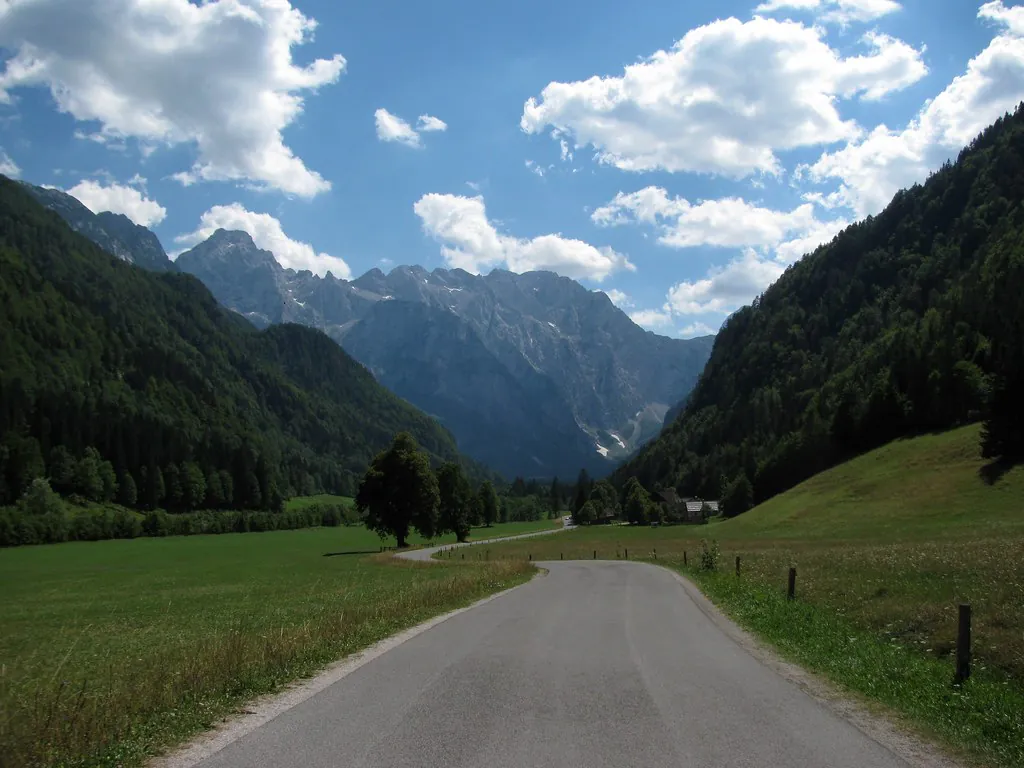
The airspace above the valley is heavily regulated. The steep rock faces of Mount Ojstrica and Mount Brana are primary nesting grounds for sensitive bird species, including the golden eagle and the capercaillie. Noise pollution from unmanned aerial vehicles causes significant distress to these animals, often leading them to abandon their nests during the breeding season.
Recreational drone use is prohibited without prior written consent from the park administration and the Slovenian Civil Aviation Agency. Rangers actively monitor the valley floor for unauthorised drone flights. Visitors caught flying drones face immediate equipment grounding and severe financial penalties. If you require aerial footage for commercial or documentary purposes, you must submit a formal application weeks in advance to secure the necessary permits.
Pet Guidelines and Farm Dynamics
Dogs must remain on a short leash at all times. Logar Valley is an active pastoral landscape. Free-roaming cattle and the indigenous Jezersko-Solčava sheep graze near the walking paths throughout teh summer months. An off-leash dog poses a direct threat to livestock and can easily provoke defensive, dangerous reactions from protective cows.
When crossing fenced pastures, always secure the wooden gates behind you. Leaving a gate open allows animals to wander onto the main roadways, creating severe traffic hazards. Do not attempt to pet or feed the farm animals. Human food disrupts their digestion, and approaching them causes unnecessary stress to the herds.
Access Controls and Vehicle Guidelines
Traffic management is a primary focus for the park authorities. Motor vehicles entering the park are subject to a local eco-tax, collected at the wooden toll hut near the Solčava turnoff. This fee fluctuates depending on the vehicle class—motorcycles, cars, and campervans have different rates—and funds trail maintenance, wooden walkway repairs, and subsidies for local farmers who manage the meadow landscapes.
Once inside the park, drivers must obey the strict 30 km/h speed limit. The road is shared with cyclists, pedestrians, and occasional farm machinery. Parking is restricted to clearly marked zones. Leaving your vehicle on the grass verges or blocking agricultural access routes results in immediate fines. Because parking spaces near the Rinka Waterfall trailhead fill up quickly by mid-morning, it is helpful to know the exact parking area you are heading to.
If you prefer to bypass the driving regulations and access fees entirely, booking a Private Logar Valley & Alpine Fairytale Tour from Ljubljana is a practical alternative. Organised excursions handle all logistical requirements, cover the eco-tax automatically, and drop visitors directly at the most significant trailheads.
Winter Conduct and Safety
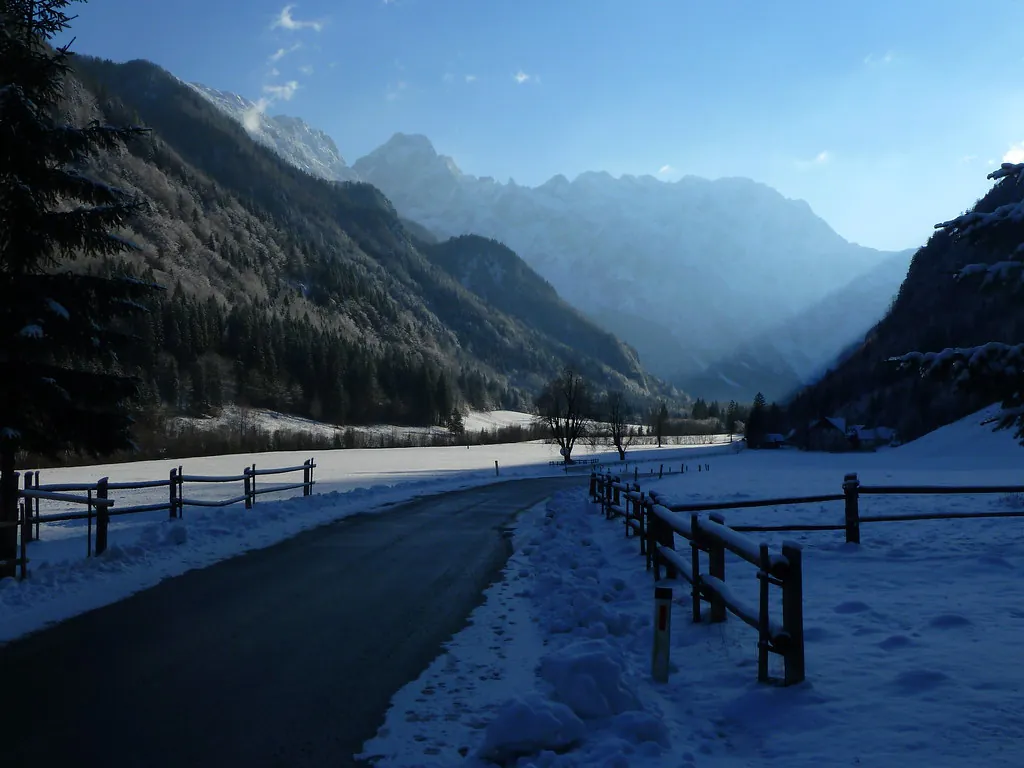
During the winter months, the valley transforms into a hub for cross-country skiing and winter mountaineering. The rules shift to accommodate these activities. Visitors walking through the valley must never step on the groomed cross-country ski tracks, as footprints ruin the corduroy surface for skiers.
Avalanche risk is a serious factor between December and April. Before attempting any high-altitude hikes toward the mountain saddles, you must check the daily avalanche bulletins provided by the Slovenian Environment Agency (ARSO). The lower valley floor remains largely safe, but venturing past the Rinka Waterfall or up to the Frischauf Lodge at Okrešelj requires proper winter mountaineering equipment and experience.
Emergency Protocols
- General Emergency: Dial 112 for the fire brigade, ambulance, or mountain rescue service (GRS).
- Police: Dial 113 for direct police assistance.
- Preparation: Mobile reception is patchy in the upper sections of the valley near Kot. Download offline maps and inform your accommodation host of your planned hiking route before departure.
Quick Reference Guide: Park Fines and Penalties
| Violation | Consequence / Enforcement |
|---|---|
| Flying an unauthorised drone | Immediate grounding, fines up to €500+ |
| Wild camping or sleeping in vehicles | Eviction by rangers, financial penalties |
| Dogs off-leash | Fines from €200, liability for livestock damage |
| Parking outside designated zones | Ticketing, potential towing blocking farm access |
| Littering or dumping waste | Fines enforced by municipal wardens |
FAQ: Traveler Questions Answered
Do I need a highway vignette to reach the valley?
Yes, if you use any Slovenian motorways or expressways to reach the Solčava region, a valid e-vignette is mandatory. The valley entry fee is an eco-tax for the park itself and does not cover national road tolls. You can purchase the vignette online via the official DARS portal or at fuel stations near the border.
What happens if I drive in Slovenia without a vignette?
Driving without a valid e-vignette on the motorways carries heavy financial penalties. Fines typically start at €300 and are strictly enforced by automated traffic cameras and mobile DARS inspection units. Always ensure your license plate is registered in the system before entering the A1 or A2 motorways. Read more in our Slovenia Driving Guide.
Can you drive in Logar Valley?
Yes, you can drive the length of the valley up to the final parking lot situated just below the Rinka Waterfall. However, you must pay the eco-tax at the entrance gate and strictly adhere to the 30 km/h speed limit. The road is a dead-end, meaning you will exit via the same route you entered.
Is the valley safe for solo hikers?
The valley floor and the primary marked trails are highly safe for solo hikers. The crime rate in Slovenia is exceptionally low, and the paths are well-maintained. If you plan to hike the higher Alpine routes, such as the ascent to Ojstrica, you must ensure you have adequate navigation skills, appropriate footwear, and have checked the weather forecast to avoid sudden afternoon thunderstorms.
Are there waterfalls in Logarska Dolina?
Yes, the most prominent is the Rinka Waterfall (Slap Rinka), which drops 90 metres over a sheer rock face at the head of the valley. There are also smaller, seasonal cascades such as the Palenk Waterfall, located near Hotel Plesnik. Visitors must stay behind the wooden safety barriers at the viewing platforms to avoid falling rocks.
Is it okay to speak English in Slovenia?
English proficiency is exceptionally high across Slovenia, particularly within the tourism and hospitality sectors. Park wardens, restaurant staff, and tour operators in the Solčava region speak fluent English. You will have no difficulty navigating the rules, asking for directions, or ordering food without speaking Slovenian.
What should I do if I encounter livestock?
Keep a respectful distance and do not attempt to touch or feed the animals. If a cow or flock of sheep is blocking the hiking path, wait patiently for them to move or walk widely around them. Never separate a calf from its mother, and keep your dog on a short, controlled leash at all times.
How do you get to the Logar Valley?
Most visitors drive from Ljubljana (approx 1.5 to 2 hours) via Kamnik and the Črnivec Pass, or from Bled via the Karawanks and the Paul’s Saddle (Pavličevo sedlo) mountain pass. Public transport is highly limited; a rare summer bus service operates from Celje, but having a private vehicle or booking an organised day trip is the most reliable method. See our transportation guide for detailed routing.
Pre-Travel Tip: Conditions in the Kamnik-Savinja Alps change rapidly. Before your journey, consult the Official Landscape Park Website for real-time trail closures, seasonal eco-tax updates, and specific event notices that might affect access.