The Rhythm of the Valley
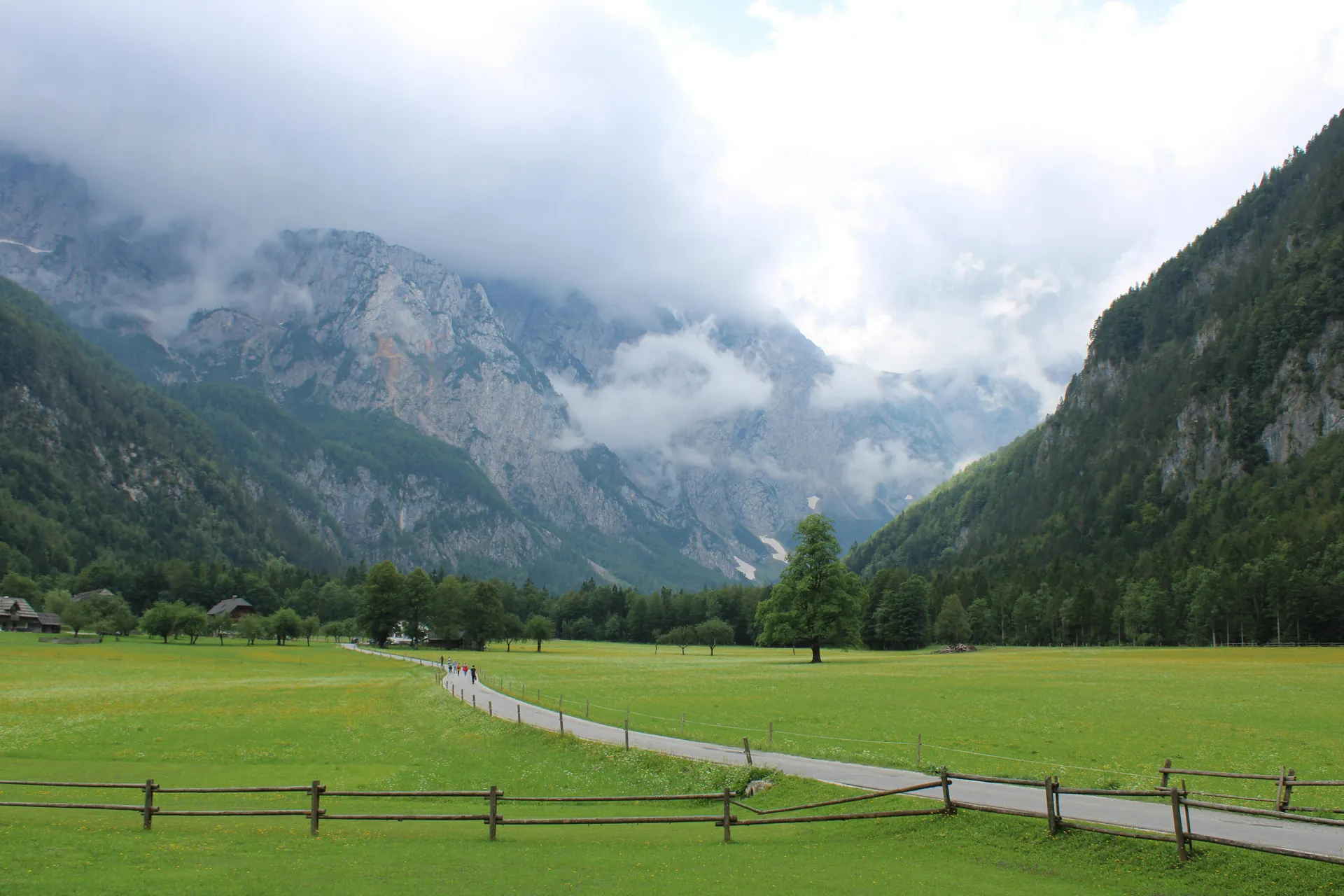
The Solčava region operates on a different schedule than teh rest of Slovenia. The Logar Valley is an active glacial environment. Weather dictates access and comfort. Temperatures in the valley floor remain significantly lower than in Ljubljana or coastal regions. Planning a trip here requires understanding these seasonal realities and deciding which weather patterns you need to prepare for. You are entering a protected landscape where local conditions change rapidly.
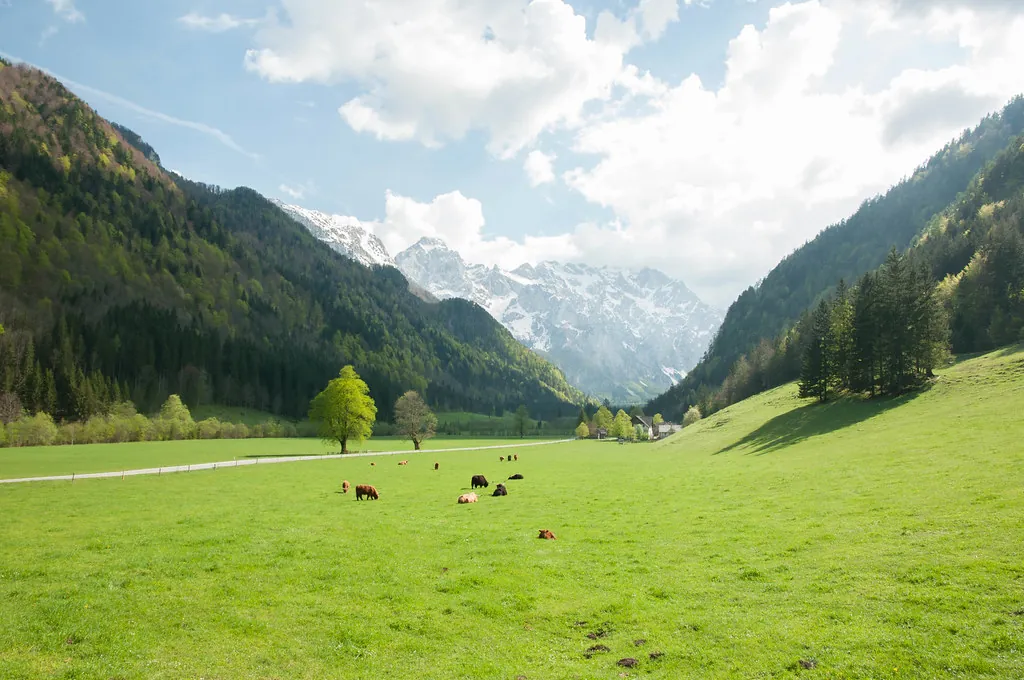
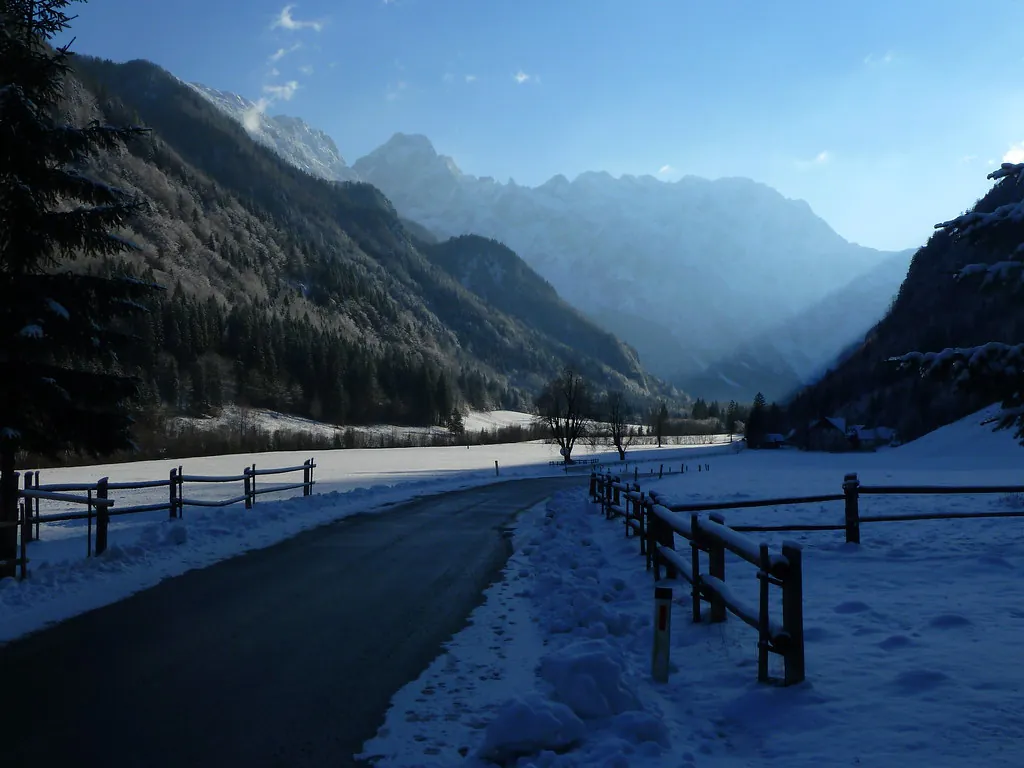
Spring in the valley is a high-water event. The snowmelt from the Kamnik-Savinja Alps feeds the Savinja River and creates maximum flow at the Rinka Waterfall. The meadows turn green rapidly in May. Summer is the peak period for human activity. Most mountain huts open their doors in late June. The trails are clear of snow, making July and August the safest months for high-altitude ascents. Autumn is widely considered the best time for photography. The larch trees turn gold against the grey limestone walls. Winter is severe. The main road is ploughed, but many side routes and high-elevation trails are impassable without specialized mountaineering equipment.
Seasonal Snapshot: What to Expect
| Season | Best For | Weather | Accessibility |
|---|---|---|---|
| Spring (May–June) | Waterfalls & Flora | Cool / Variable | High |
| Summer (July–August) | Hiking & Cycling | Warm / Sunny | Full |
| Autumn (September–October) | Photography | Crisp / Stable | High |
| Winter (December–March) | Snow Sports | Cold / Snowy | Limited |
Alpine Preparedness
Weather & Packing
The layering principle is mandatory. Even during the peak of summer, evening temperatures easily drop to 10°C (50°F). Pack sturdy hiking boots with ankle support, a high-quality windbreaker, and sun protection for high-altitude exposure. The UV index at 2,000 metres is intense. You must check the official ARSO weather forecast before ascending above the tree line. Autumn brings stable skies, though November is often the rainiest month in Slovenia. Bring waterproof gear regardless of the season.
The most common mistake visitors make is underestimating the Alpine sun and the evening chill. Pack a fleece layer even in August.
Connectivity & Logistics
Mobile signal is spotty at best. The deep valley blocks consistent 4G or 5G coverage near the base of the Kamnik-Savinja Alps. Most local farm stays have Wi-Fi. Digital nomads seeking high-speed remote work environments will struggle. Download offline maps before leaving the main highways. Cash is essential. There is an ATM within the valley park limits.
There is an ATM located within the valley, as well as in the village of Solčava. Still, bring sufficient Euro banknotes for entry fees and small purchases.
The Solčava Panoramic Road
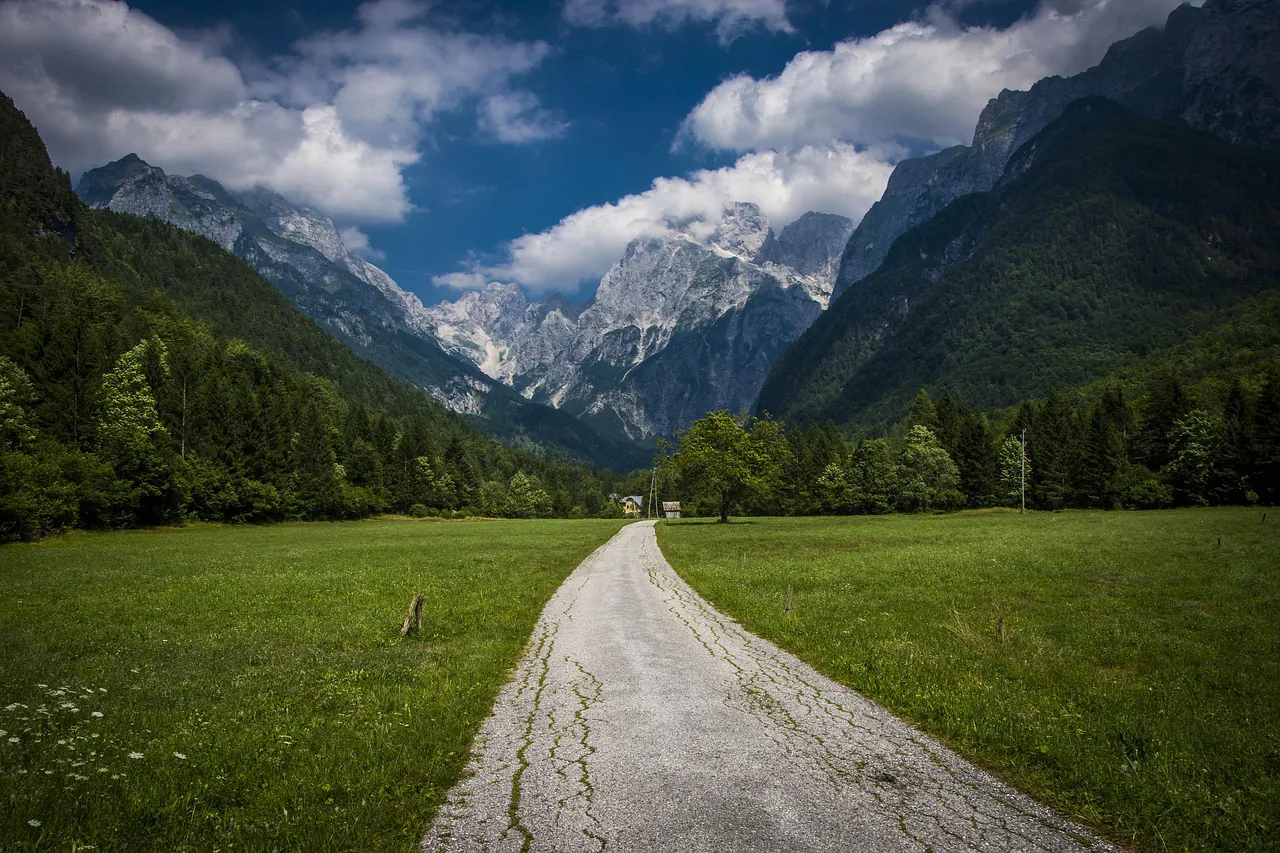
This 37-kilometre route connects the Logar Valley, Robanov Kot, and Matkov Kot. Driving the Solčava Panoramic Road requires a dedicated half-day. The roads are narrow and winding. Large motorhomes and trailers will find the sharp bends difficult to manage. You need a vehicle to access the iconic viewpoints at Klemenšek Farm and St. Duh Church. The route has 20 designated stops marked by information boards. These stops detail the history of the local Jezersko-Solčava sheep breed and the architectural heritage of the alpine homesteads.
The terrain is demanding. You will face steep inclines and blind corners. The road is entirely paved on the main sections but transitions to gravel on certain side loops. Pay close attention to oncoming traffic. Local farmers use these roads daily with heavy agricultural machinery. Travelers without a rental car can book a Solčava Panoramic Road tour from Ljubljana to bypass the complex driving. A guided option eliminates the stress of driving and has direct access to the most difficult-to-reach farmsteads. You can find detailed driving directions on our transport and parking guide.
Itinerary Planning & Costs
Deciding how long to stay depends on your objectives. A day trip gives you time to drive the main valley road and walk the short trail to Rinka Waterfall. An immersive stay of two to three days is better. It gives you time to complete the panoramic road, hike to the Klemenča jama mountain hut, and engage with the local culture. Accommodation options are limited by design. The park restricts new construction to preserve the environment. Review our where to stay guide well in advance if you plan to visit during the summer peak.
Slovenia is moderately priced compared to neighboring Alpine countries like Austria or Italy. The Logar Valley Landscape Park charges a mandatory environmental fee per vehicle upon entry. A standard car entry is between €7.00 and €10.00 depending on the season. Pedestrians and cyclists enter for free. Dining at local farmsteads is affordable, with hearty traditional meals costing less than in the capital. You can read a full breakdown of national pricing in our Slovenia travel budget analysis.
Setting Expectations: The Alpine Experience
Many travellers debate whether to spend their holiday in the Julian Alps or along the Dalmatian Coast. The environments are entirely different. You can read our detailed comparison of Slovenia and Croatia to understand the contrast. The Logar Valley is a quiet, landlocked retreat focused on physical exertion and nature observation. There is no coastal heat or beach club infrastructure here. The appeal lies in the isolation. It is a highly safe destination. Solo hikers and families face very low crime rates. The primary risks are environmental. Sudden thunderstorms in the afternoon are common during the summer months. Always review the official national tourism guidelines for seasonal alerts.
Rules of the Road
Driving in Slovenia requires an e-vignette for all motorways. You must purchase this digital pass before entering the highway system. A standard 7-day vignette costs €16.00 for passenger cars. Rental cars picked up at Ljubljana Airport usually include one. Vehicles caught driving without a vignette face immediate fines ranging from €300 to €800. We detail toll systems and mountain pass etiquette in our Slovenia driving guide.
- 112: General emergency, medical, and mountain rescue.
- 113: Direct police line.
- Vignette: Mandatory digital toll pass for all motorways.
- Environmental Fee: Paid at the valley entrance for all motor vehicles.
Frequently Asked Questions
How long should I spend in Logar Valley?
A day trip gives enough time to see the Rinka Waterfall and drive the main valley floor. Two to three days are recommended to fully explore the Solčava Panoramic Road, hike the high-altitude trails, and experience the local farmstead culture.
Is Slovenia very expensive?
Costs in the Solčava region align with standard Central European pricing. While it is cheaper than the Swiss or Austrian Alps, expect to pay a premium for accommodation due to the limited number of beds in the valley. Entry fees for the landscape park are nominal.
Can you drive in Logar Valley?
Yes. A single paved road runs through the center of the valley up to the final parking lot near the Rinka Waterfall trailhead. A car is highly recommended for flexibility, especially if you intend to navigate the Solčava Panoramic Road.
Are there waterfalls in Logarska Dolina?
The Rinka Waterfall is the primary cascade and drops 90 metres over a sheer rock face. Smaller seasonal streams and cascades appear during the spring melt, but Rinka is the main permanent waterfall accessible to visitors without intensive hiking.
Is it okay to speak English in Slovenia?
English is widely spoken across the country, especially by younger generations and tourism workers. In the remote Solčava region, farmstead owners usually speak conversational English and often basic German.
Is the tap water safe to drink?
The tap water in the valley is pristine and sourced directly from local mountain springs. You can refill your bottles at any farm stay or public fountain without concern.
Is LGBT legal in Slovenia?
Yes. Slovenia is a progressive country where LGBT rights are protected by law, and same-sex marriage is legal. Travellers will find the country safe and welcoming, though rural areas like the Solčava region are traditional and public displays of affection are generally uncommon among all couples.