
The Art of Staying in a Glacial Valley
The Logar Valley is a blind-ended glacial trough. It cuts deep into the Kamnik-Savinja Alps, creating a natural dead-end that forces you to slow down. Finding acommodation in the Logar Valley demands a bit of strategy. The lodging inventory is deliberately low to protect the fragile environment of the Logar Valley Landscape Park. Because this protected landscape restricts large-scale development, visitors compete for a handful of boutique rooms and traditional farm stays. If you wonder where to stay in Logar Valley, Slovenia, you must realize that early reservations are essential.
Is Logar Valley worth visiting? The answer is an absolute yes. The sheer vertical walls of the Kamnik-Savinja Alps create a spectacular backdrop that rivals anything in Switzerland or Austria. Many travellers debate which is nicer, Slovenia or Croatia, and the choice usually comes down to alpine isolation versus coastal heat. While Croatia dominates the summer holiday market with its sprawling beach resorts, Slovenia is generally quieter and highly focused on sustainable mountain tourism. You trade the Adriatic Sea for glacial springs. It is incredibly safe to go to Slovenia right now, and the remote nature of Solčava adds an extra layer of security and peace.
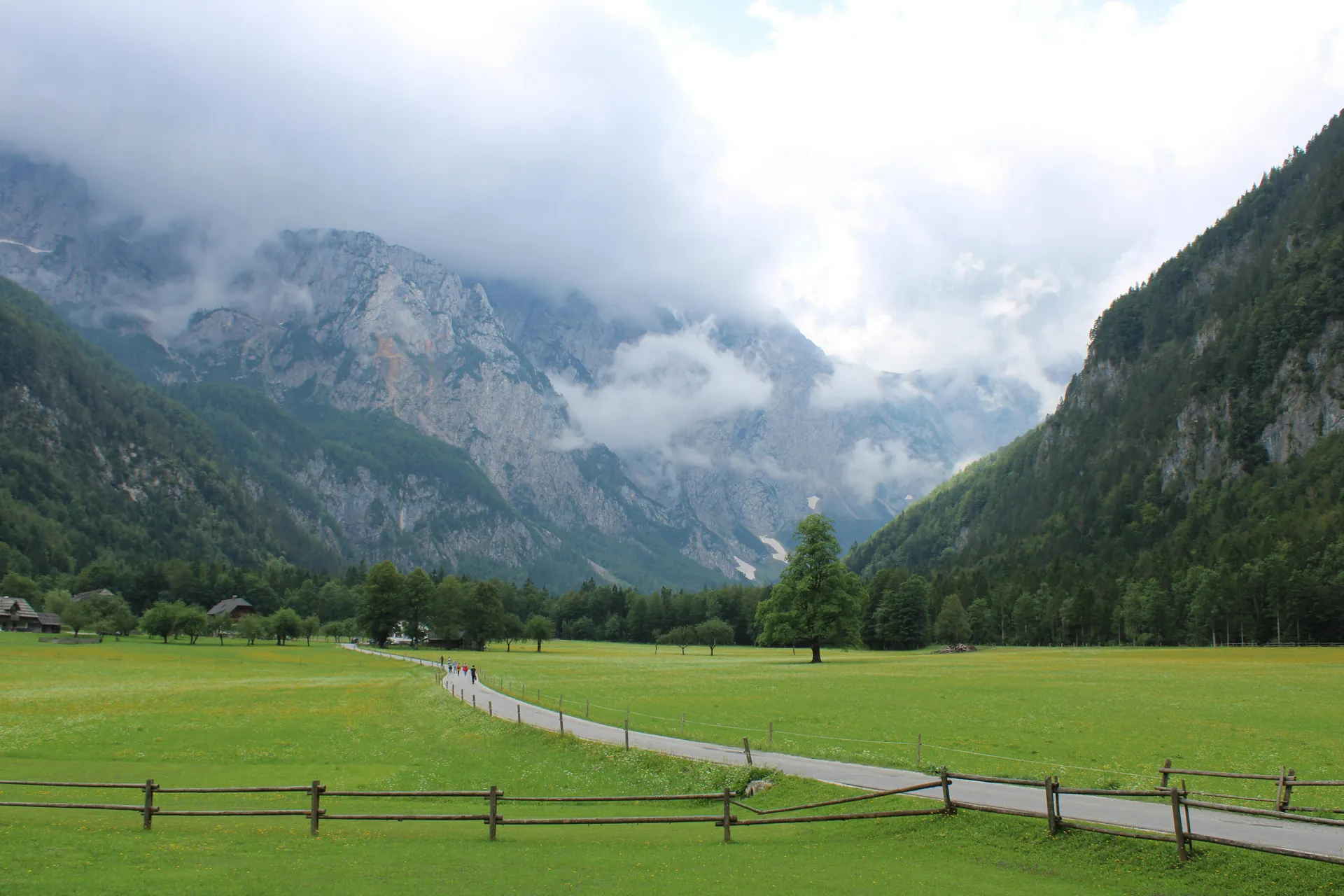
If you decide to book, consider how long to spend in Logar Valley. A two-night stay is the practical minimum to properly hike to the local waterfalls and absorb the atmosphere. Day trips are popular, and you can book guided tours like the Private Logar Valley & Alpine Fairytale Tour from Ljubljana, but waking up inside the park is a completely different experience.
The “Logarska Dolina” Booking Reality
The booking reality surprises many first-time visitors. People accustomed to logging onto massive travel portals a week before their trip usually find zero availability. The entire valley has fewer than a few hundred beds. This scarcity is not a flaw; it is a deliberate conservation strategy. The Logar Valley Landscape Park holds the prestigious Slovenia Green Park label, a certification that demands strict limits on human impact.
If you search for rooms in July and August, you will likely see sold-out notices across all major platforms. You must adopt a different approach. Look past the large aggregator sites. Many local families manage their own reservations via email or phone. Reaching out directly often reveals hidden availability. Sometimes, a room opens up due to a last-minute cancellation, and the owners prefer to fill it through direct contact rather than paying high commission fees to third-party websites.
Luxury & Wellness: The Flagship Experience
Hotel Plesnik (Trip.com, Booking.com, Hotels.com) is the premier property on the valley floor. The hotel is famous for its outdoor biological pool that reflects the alpine peaks. The water in this pool is purified entirely by plants, completely eliminating the need for harsh chlorine. They run a renovated wellness centre with Ayurvedic massages and an indoor whirlpool. This establishment leans heavily into eco-tourism and relaxation, blending modern luxury with the raw nature of the Solčava region.
The architecture of Hotel Plesnik respects the traditional alpine forms while introducing massive glass panels that pull the landscape indoors. Adjacent to the main building is Vila Palenk, a connected annex with flexible room layouts suited for families. You need to book Hotel Plesnik at least three to six months in advance for the summer season. The dining room cooks both traditional Slovenian dishes and international cuisine using locally sourced ingredients. They grant direct access to the trails you are walking on.
Authentic Alpine Living: Traditional Farm Stays
For a culturally grounded visit, the traditional farm stays (kmetija) are excellent. These are active agricultural properties where families open their homes to guests. The Solčava region has a deep history of alpine farming, and these homesteads allow you to experience it firsthand.
- Turistična Kmetija Lenar: This property sits right in the centre of the valley. The buildings underwent a massive renovation in 2010, carefully preserving the architectural heritage of the region. They rent standard rooms and apartments, plus a unique option to sleep in the hay barn (senik). This rustic experience connects you directly to the agricultural roots of the area. The family focuses on a heavy, locally sourced breakfast. You will likely taste ‘savinjski želodec’, a geographically protected cured meat specific to this valley. Guests visit nearby restaurants for dinner. You can find more details on the official Lenar website.
- Kmečka Hiša Ojstrica (Booking.com, Trip.com, Hotels.com): Another excellent farm stay with robust half-board menus. The meals here rely heavily on regional dairy and cured meats. The owners often share stories of the valley’s history and point out the best routes to the high peaks.
Many visitors ask if it is okay to speak English in Slovenia. The younger generations and almost all hospitality workers in the Solčava region speak excellent English. You will have no trouble communicating your dietary needs or asking for trail directions.
“Booking directly with the farms often secures better cancellation policies than using massive aggregator websites. Call them or use their local web portals.”
Immersive Nature: Camping, Glamping, and Camper Stops
Outdoor enthusiasts often arrive with tents or motorhomes. You must understand the strict rules of the Logar Valley Landscape Park. Wild camping is strictly prohibited anywhere in teh valley. You cannot pull over on the grass and sleep in your van. The park enforces this rule to protect endangered plant species and maintain the visual integrity of the landscape. They patrol the area, and fines for illegal camping are substantial.
Are there waterfalls in Logarska Dolina? Yes, the Rinka Waterfall is a major draw, and you will see signs for it as you drive the valley road. Can you drive in Logar Valley? You can, but motorized vehicles must pay a toll at the entrance unless you have a room booked at a property inside the park boundaries. If you stay at Hotel Plesnik or Kmetija Lenar, the gate attendant waives the entry fee upon seeing your reservation confirmation.
For motorhomes, designated camper stops are available near the entrance of the valley and in the nearby village of Solčava. These stops have basic hookups for electricity and water. If you want a traditional campground with shower blocks and spacious pitches, you must drive back out towards Ljubno or Rečica ob Savinji and pitch your tent at Kamp Menina. This site is highly rated and sits right next to the Savinja River.
Proximity Matters: Staying in Solčava vs. The Valley Floor
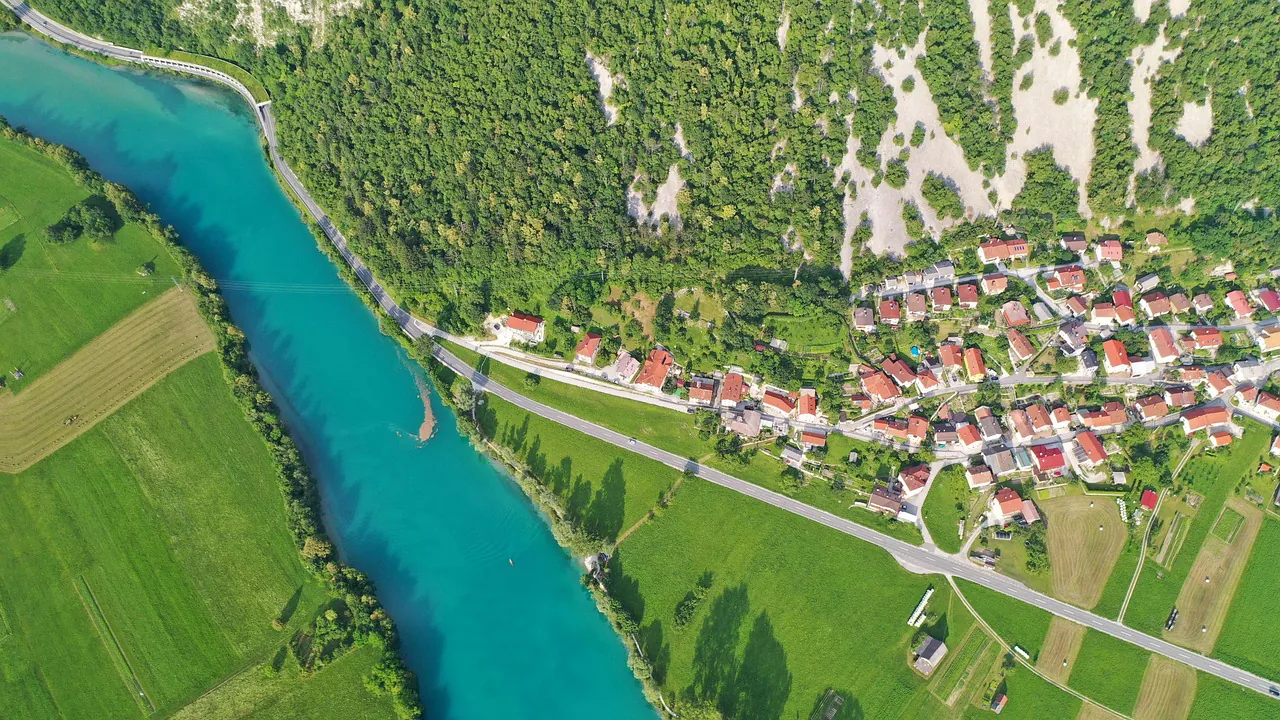
Understanding the local geography is crucial when booking your stay. The Logar Valley is just one of three parallel glacial valleys in the region, alongside Robanov Kot and Matkov Kot. The village of Solčava sits outside the main park entrance. Staying in Solčava is often cheaper and gives you immediate access to a small supermarket and the Center Rinka tourist information hub.
Staying in Solčava means you must drive into the Logar Valley for your daily hikes. If you book a room deep inside the valley, you wake up surrounded by the high peaks of the Kamnik-Savinja Alps. The mist rolling off the Okrešelj cirque in the morning is a sight you only catch if you sleep on the valley floor. Decide whether budget and village amenities outweigh the dramatic isolation of the park interior. Staying on the valley floor gives you a massive head start for morning hikes. You can leave your car parked at your guesthouse and walk directly to the trailheads. The silence of the glacial valley at 6:00 AM, broken only by the distant sound of cowbells, validates the effort it takes to secure a room here.
Amenities Comparison
| Accommodation Type | Price Tier | Meals Included | Best For |
|---|---|---|---|
| Hotel Plesnik | High | Breakfast (Half-board available) | Wellness, couples, luxury |
| Kmetija Lenar | Medium | Breakfast only | Families, slow travel |
| Kmečka Hiša Ojstrica | Medium | Half-board common | Hikers, authentic food |
| Camper Stops (Solčava) | Low | None | Vanlife, budget road trips |
Logistics, Weather, and Travel Costs
Is Slovenia very expensive? The Solčava region is moderately priced compared to Western Europe. A farm stay costs between €80 and €150 per night depending on the season, while Hotel Plesnik charges premium rates often exceeding €250. The best time to visit Logar Valley is late spring or early autumn if you want to avoid peak prices and secure a room without booking half a year in advance. September brings crisp air and stable weather, making it ideal for high-altitude trekking. Read our realistic budget guide for a complete breakdown of daily expenses.
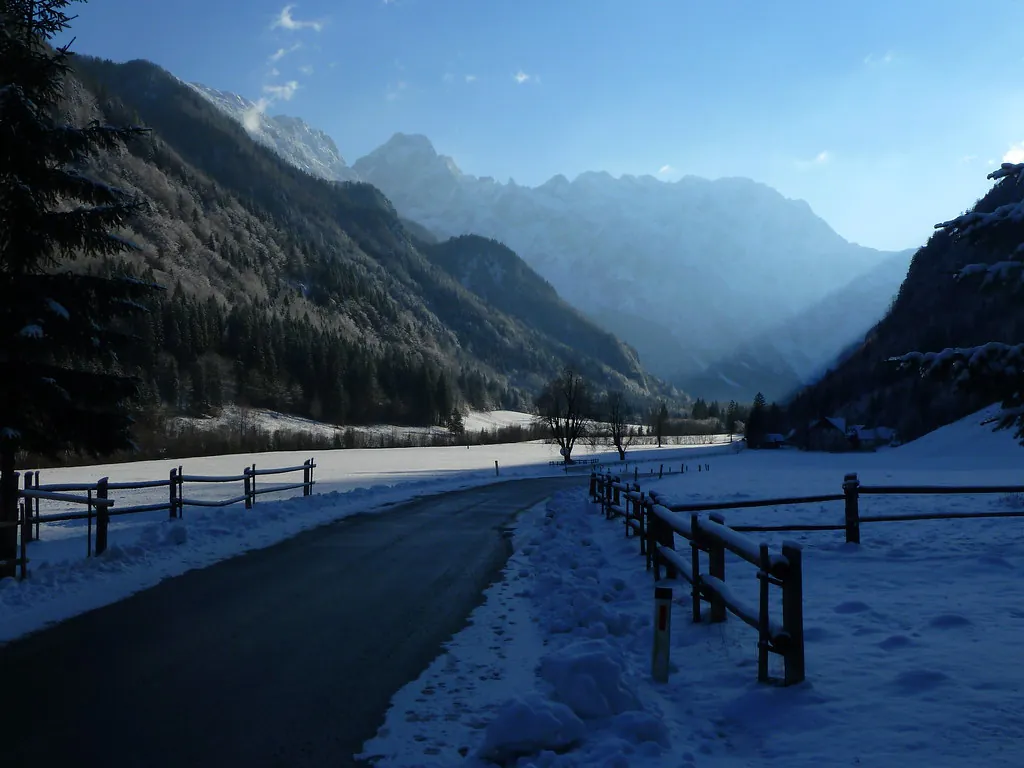
The time of year you choose to visit drastically impacts your lodging experience. What is the rainiest month in Slovenia? October and November often see heavy rainfall, which quickly turns to snow at higher elevations. During these months, many of the smaller farm stays close their doors to tourists to focus on winter preparations. If you visit in late autumn, your options shrink primarily to Hotel Plesnik and a few year-round guesthouses. Winter in the valley is entirely different. Waking up in a wooden alpine room with two feet of fresh snow outside your window is an unforgettable experience. The wood-fired masonry heaters (kmečka peč) in the communal dining rooms become the focal point of the evening.
How do you get to the Logar Valley? The drive is straightforward but involves winding mountain roads. You must also account for toll roads on the national highway system before you reach the local routes. How do you pay for tolls in Slovenia? You need to purchase an electronic vignette (e-vinjeta) online or at a gas station before entering the motorways. Find out more about the e-vinjeta system and mountain passes in our driving guide.
Always check the visitor rules before arrival. The park restricts drone usage and requires dogs to be on leashes at all times to protect the local wildlife. By choosing appropriate lodging and respecting the local guidelines, you contribute directly to the sustainable future of this fragile alpine environment.
Once your acommodation is secured, it is time to map out your days. Head over to our Plan Your Visit page for seasonal packing lists, or check the Hiking & Outdoor Activities guide to start plotting your routes to the high alpine huts.