The Best Scenic Drives in the Kamnik-Savinja Alps
The Alpine Road Trip Experience
The Kamnik-Savinja Alps present some of the most dramatic driving routes in Central Europe. Travellers planning a broader Slovenian itinerary frequently ask if the Logar Valley is worth visiting. The answer is unequivocally yes, and the journey there is a significant part of the draw. Approaching the glacial valley floor requires navigating high-altitude mountain passes that cut through dense pine forests before opening up to sheer limestone rock faces. The road network here is demanding. It requires focus, a reliable vehicle, and a tolerance for steep gradients.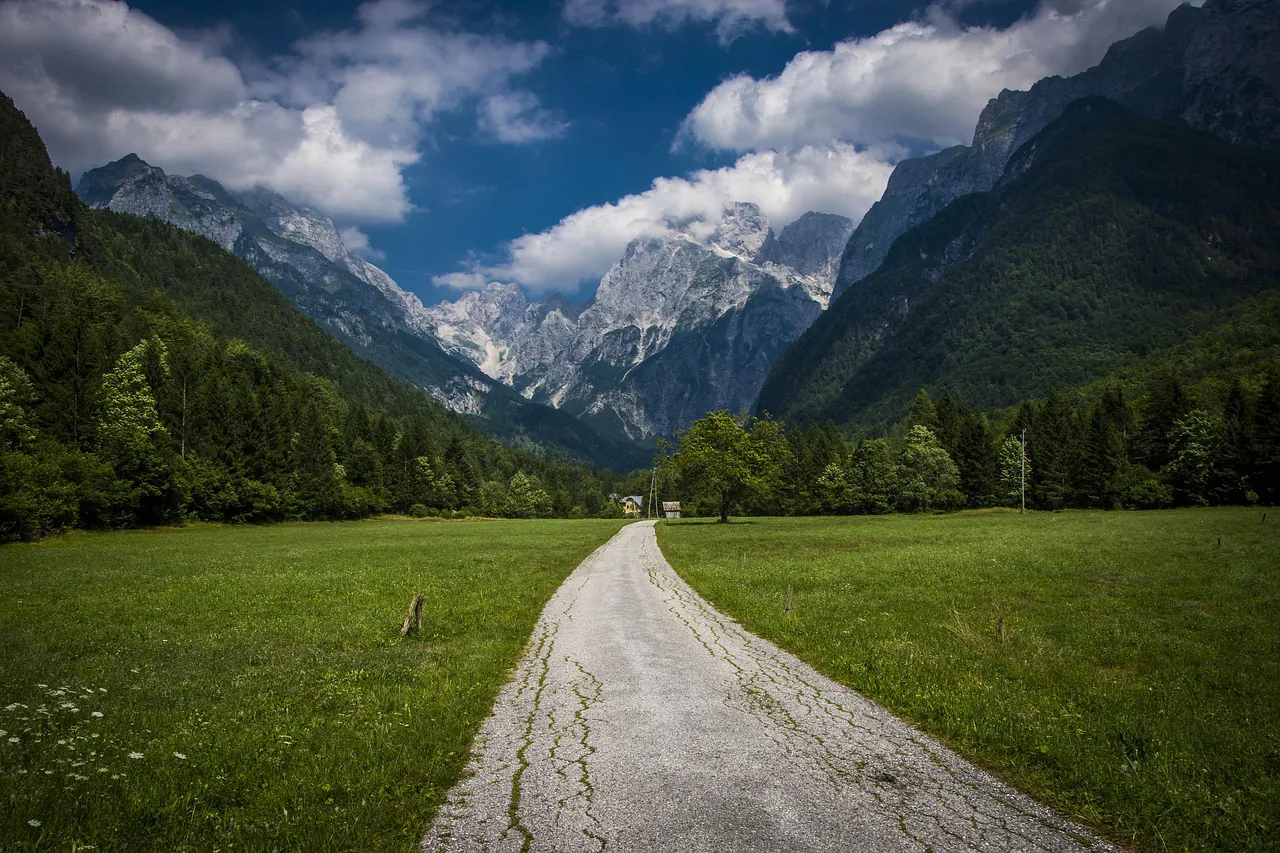
The Crown Jewel: The Solčava Panoramic Road
The primary route for visitors is the Solčava Panoramic Road. This 37-kilometre collection of local roads traces the high ground above the main valleys, linking isolated alpine farms and small settlements. The route begins near the village of Solčava and loops through Podolševa before dropping down toward the main valley entrance. You can find comprehensive route maps and seasonal updates on the official Solčavsko regional tourism portal.This is not a modern, multi-lane highway. The panoramic road is narrow and partially unpaved in its highest sections. It connects drivers with a rural way of life that has persisted for centuries. Along the way, you will pass farmsteads offering local cured meats, raw milk, and traditional farm accomodation.Visitors must note that entering the final stretch of the Logar Valley floor incurs a vehicle fee. This charge, typically between €7 and €10 depending on the vehicle, goes directly toward maintaining the protected landscape park. The fee applies to cars and motorcycles passing the main entry gate, but driving the upper panoramic loop itself is free of charge.Pick up a physical map from the Solčava Tourist Information Centre. GPS navigation often struggles with the narrow forest tracks, and a paper map clearly outlines the three distinct sections of the panoramic route.
Scenic Drive Logistics
| Route Name | Distance | Estimated Time | Difficulty Level | Best Season |
|---|---|---|---|---|
| Solčava Panoramic Road | 37km | 3 to 4 hours | Moderate | May to October |
| Pavlič Pass (Pavličevo Sedlo) | 18km (from Solčava) | 1 hour | High | June to September |
| Logar Valley Entry Road | 7km | 20 minutes | Easy | Year-round |
Must-See Viewpoints Along the Route
The panoramic road has over twenty designated stops, but a few locations demand your attention. The drive forces you to slow down, and pulling over at these vantage points provides a deeper understanding of the region’s geography.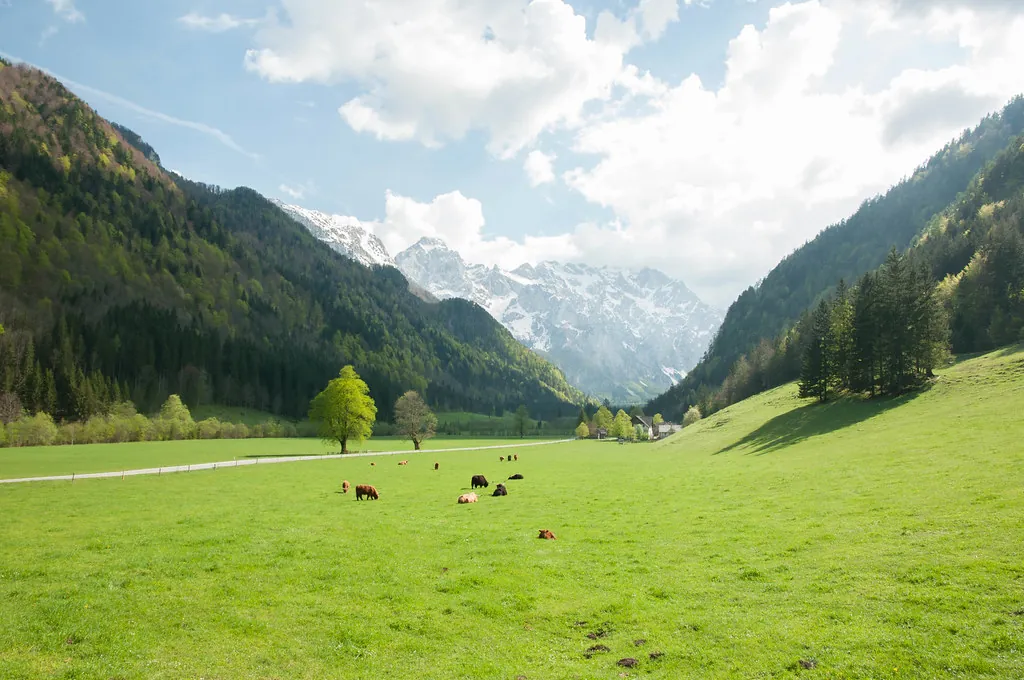
Beyond the Solčava Road: The Pavlič Pass
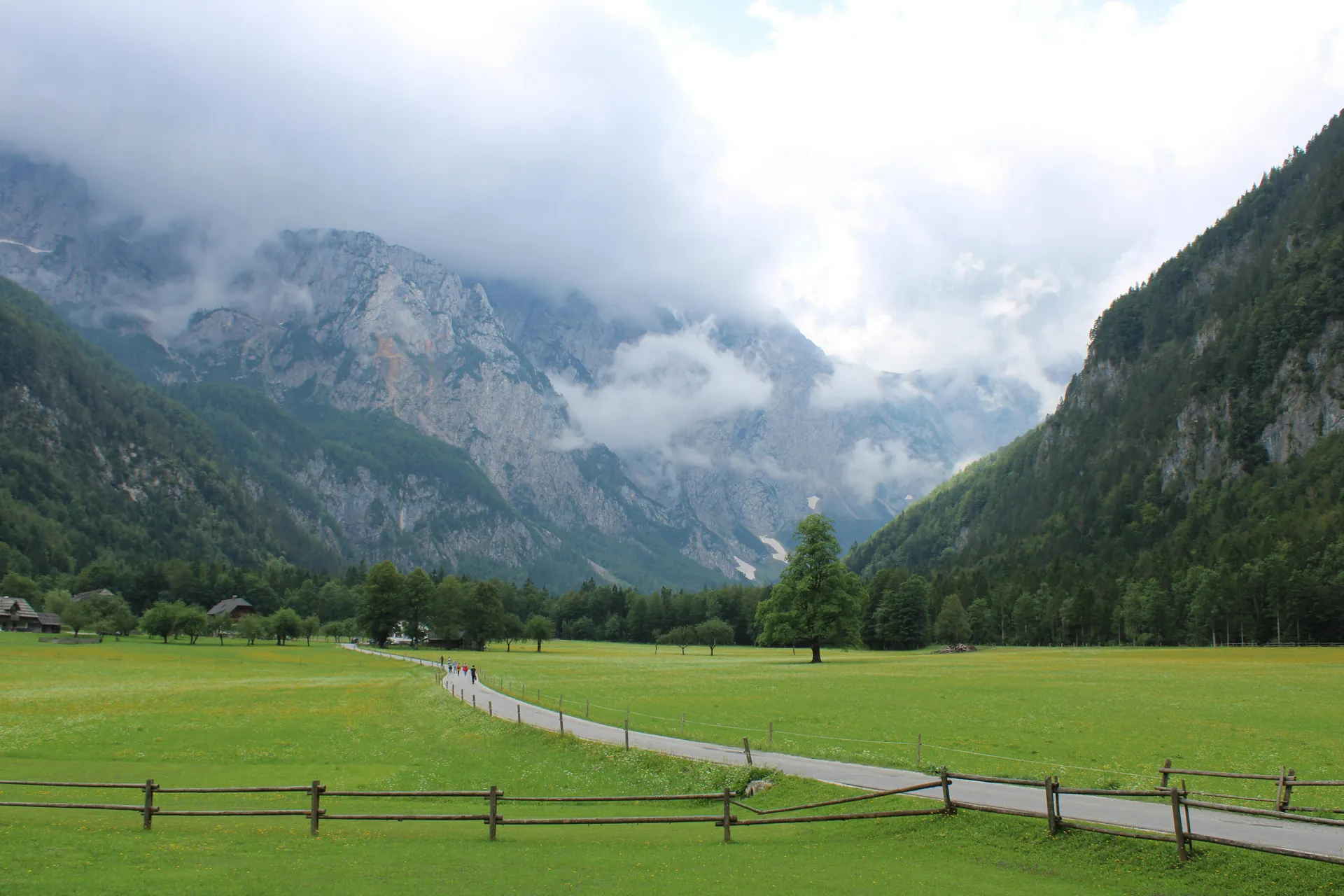
If you have the time and the nerve, the driving experience extends beyond the main panoramic loop. The Pavlič Pass connects Slovenia with Austria. This high-altitude route is steep and winding, climbing rapidly from the valley floor. Drivers face continuous sharp hairpins and narrow single-lane sections. Navigating teh tight corners requires patience and spatial awareness, especially when meeting oncoming traffic or large agricultural vehicles.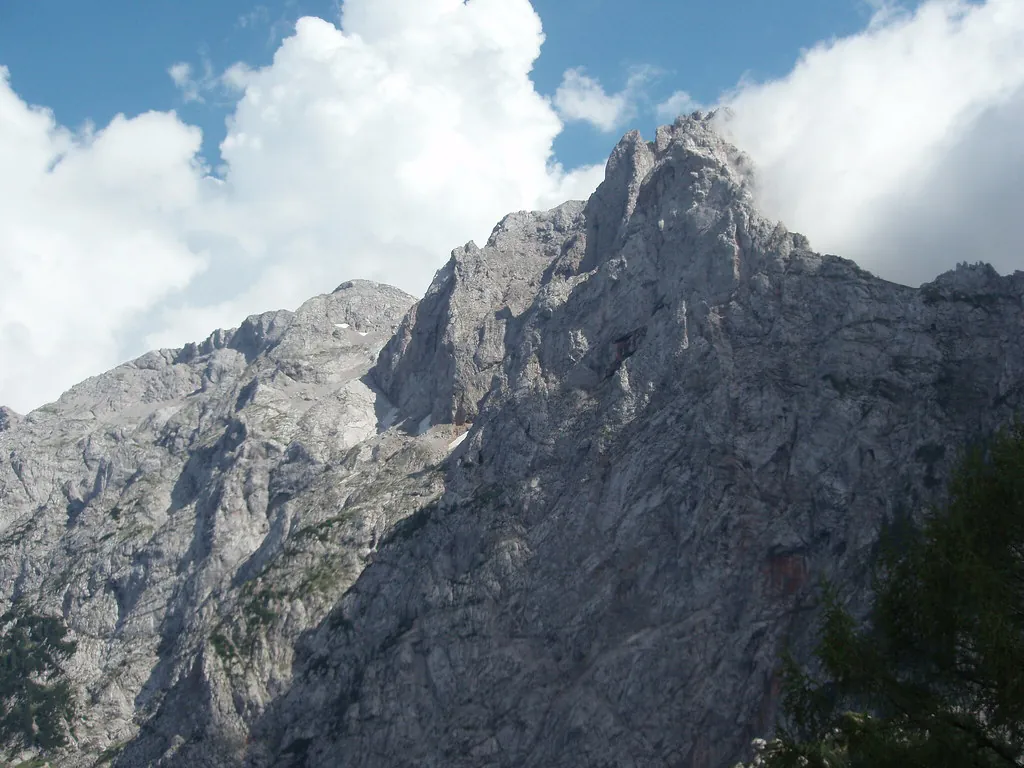
The transition from the green glacial basin to the harsh limestone peaks of the Pavlič Pass is immediate. You leave the forests behind and enter an environment ruled by rock and wind.
Practical Driving Tips and Etiquette
Driving in the Solčava region requires specific preparation. You can drive in Logar Valley, but you must adhere to strict speed limits and park only in designated zones to protect the fragile ecosystem. The local authorities take environmental preservation seriously, and off-road driving is strictly prohibited.Before reaching the local mountain roads, you will likely use the A1 motorway from Ljubljana or Celje. Travellers frequently ask how to pay for tolls in Slovenia. The country uses a digital vignette system called e-vinjeta. You must purchase this vignette online or at a border petrol station before entering the motorway network, as fines are severe. You can check current road closures and vignette pricing on the official DARS website. For a full breakdown of national driving regulations, read our guide on Driving in Slovenia: Vignettes, Tolls, and Alpine Passes.When planning your itinerary, consider how long to spend in the area. A full day is the absolute minimum required to drive the panoramic road, stop for photographs, and venture slightly into the main glacial valley. Rushing these roads is dangerous.- Weather Hazards: Mountain weather changes rapidly. Fog and sudden downpours are common even in mid-summer, making poor visibility a hazard that drivers must be prepared for.
- Electric Vehicles: Charging infrastructure is sparse in these remote valleys. Charge your EV fully in Mozirje or Celje before ascending into the alpine zones.
- Livestock Encounters: Be prepared for alpine traffic jams. Cows and sheep graze freely on the high pastures and frequently wander across the tarmac. Slow down, keep your distance, and wait for the animals to move on their own terms.
- Right of Way: On narrow mountain roads, the vehicle travelling uphill generally has the right of way. Be prepared to reverse into passing places if you are heading downhill and meet oncoming traffic.